


The concept of big data has been around for a few years now, but it is becoming more prevalent and important in today’s world. With every passing day, the amount of information available continues to grow at a staggering rate. In fact, 90% of all data was created in the past two years.
This wealth of information is becoming increasingly available to organisations and they’re tapping into it to gain extremely useful insight into human behaviour and market activities. But how does a data-driven approach impact the role of human intuition within organisations? It may sound like a science fiction story, but successfully leveraging big data could diminish the importance of many professionals’ expertise in their chosen field.

In marketing, we are heavily reliant on data to execute campaigns, test strategies and react to events in real-time to drive results. Analytics tools provide us with access to large amounts of data which can ensure decisions are well informed. So it would so it would be a no brainer that all marketing decisions are data-backed, right? Well it appears that marketers are still relying heavily on their intuition and past experiences as approximately 59% of all their decision-making is dependent on human judgement. With constant deadlines and often limited resources, it’s understandable that marketers often have to think on their feet and make choices using gut instinct.
Similarly, professionals within the property are facing major disruption due to big data. Historically, real estate agents and developers have been reliant on the intuition and experience to manage risk, guide decisions and build relationships with vendors and buyers. A lot of commercial real estate companies have yet to embrace data, analytics and software, and are instead overly reliant on a traditional way of working. Real estate software heavyweight Atlus Group have invested in emerging property technology companies which allow for property professionals to easily tap into big data to map demographics and shifting appetites and demands around the world. It’s no surprise that use of this tech drives stronger results and it’s likely the adoption of this will continue to grow and leave companies who aren’t leveraging it behind.

It’s clear that there are barriers which professionals face when utilising big data within the marketing and property industries (as well as many more). Big data still requires professionals to put time and effort into extracting valuable insights. Even then, it’s not currently accessible or accurate enough for professionals to use it for all facets of their roles. But as the technology improves and becomes more intuitive and accessible, professionals who aren’t tapping into big data are likely to be left in the dust.
Furthermore, these systems could become so intuitive that any person could access big data to sell their own property or run their own campaign. Sources like Facebook Ads Manager and Realestate.com.au allow for individuals to perform these tasks with access to a wealth of information without the need for a real estate agent or campaign manager. We’re clearly not there yet, as professionals still rely on their own intuition rather than data to guide many of their decisions. However, it’s entirely possible that the years of experience these professionals hold will become irrelevant when almost anyone can access relevant and powerful insights.
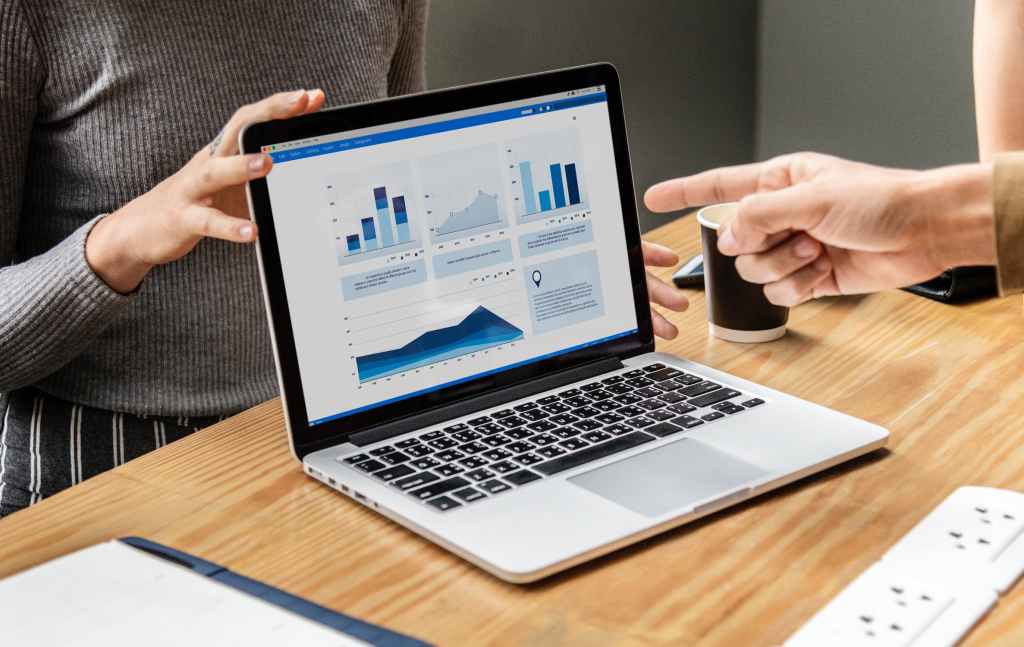
Can easily accessible data prove more useful than thirty-years’ professional experience or will we always need an expert at the wheel? Share your thoughts in the comments section below.

 JOC.DM
100% reckon we need experts! they’re called experts for a reason
LikeLiked by 1 person
There will always be a need, but it will be interesting to see how their roles change.
LikeLike
Very interesting point that you have made Josh. It will definitely be interesting to see how big data affects us in the future
LikeLiked by 1 person
I think there’s plenty of change still to come Emily!
LikeLike
Great read Josh, I was shocked to find out that 90% of all data has been created in the past 2 years! I wonder where big data will take us in the future
LikeLike
Thanks Monique, it certainly is mind boggling!
LikeLike
I think that it can be a little confronting at the thought of just how much data we leave behind with every click of the button. Something to really consider each time we venture online.
LikeLike
It certainly is. I wonder with growing awareness from the public and pressure on governments, whether advertisers and marketers will continue to be able to take advantage of data as much as they are currently.
LikeLike